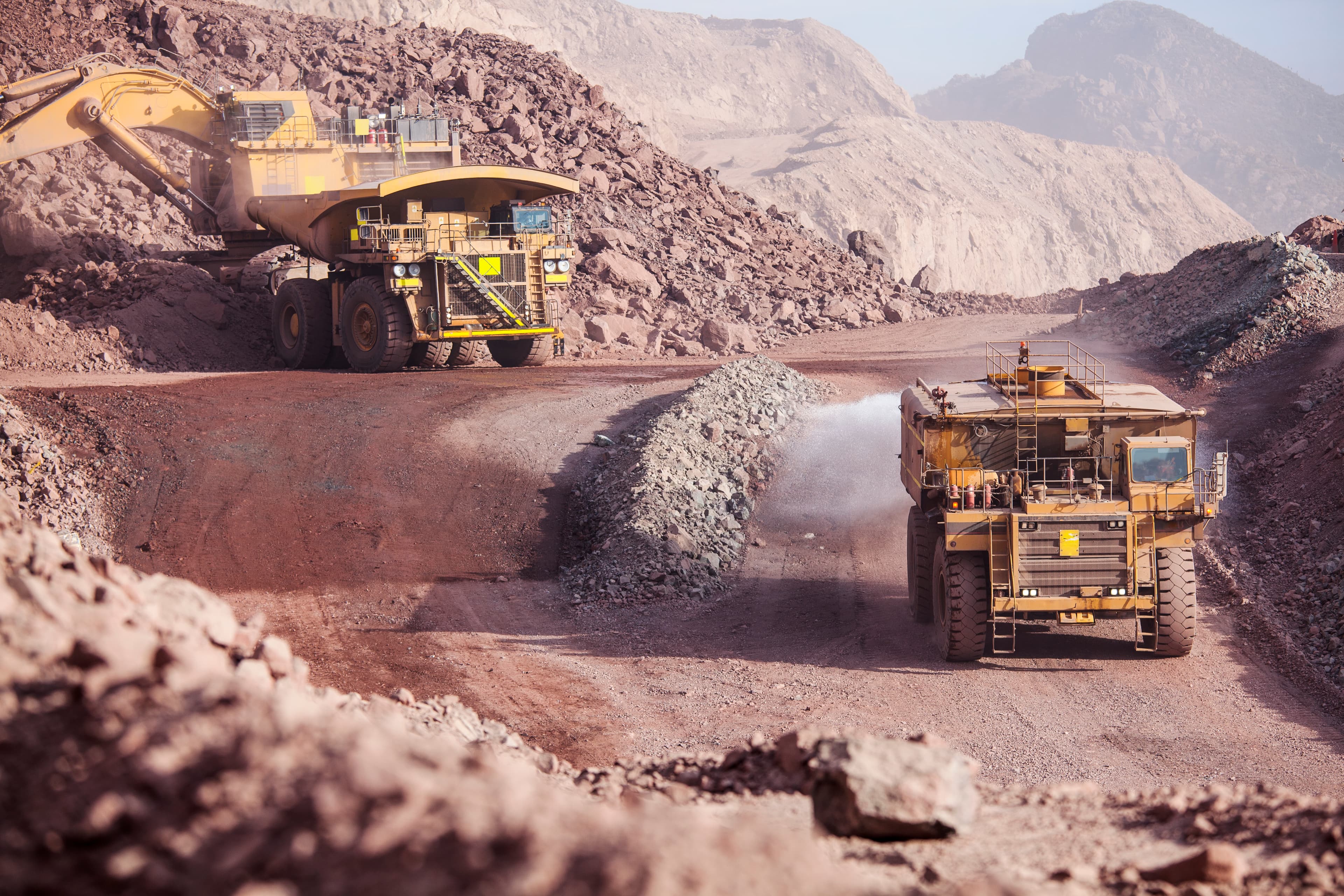
Chile accounts for roughly 28% of global copper output, and behind that production is a deep supply chain of industrial equipment, maintenance services, chemical inputs, and technology. For foreign suppliers, this represents one of the most significant B2B procurement markets in Latin America — and one of the most demanding to enter.
Who actually makes procurement decisions
Related resource
Download the Mining Sector Report
Deep-dive on procurement timelines, vendor approval processes, and tier-1 buyer profiles.
Download →Understanding Chile's mining procurement starts with understanding the buyer hierarchy. Tier-1 operators — Codelco, BHP, Anglo American, Antofagasta Minerals — have structured procurement functions with dedicated category managers, approved vendor processes, and annual budget cycles. Getting on their shortlist is not a sales process. It's a qualification process.
Below the tier-1 operators are contractors and subcontractors who manage significant spend on behalf of the operators. These are often faster to access but represent lower contract values and less stable relationships.
The homologation process — the most misunderstood requirement
Before any tier-1 operator will consider a foreign supplier commercially, the supplier must complete a homologation process — a technical and administrative approval that validates the supplier's product, local presence, and support capacity. This process varies by operator and product category, but typically takes 3–6 months.
The critical mistake foreign suppliers make is trying to initiate commercial discussions before completing homologation. The procurement manager will direct you to the vendor qualification team, and you'll lose months going back to the beginning.
- ○Step 1: Establish Chile legal entity (SpA or SA) — required before homologation
- ○Step 2: Identify which operators to target and their vendor qualification processes
- ○Step 3: Initiate homologation — submit required documentation and product certifications
- ○Step 4: Local technical representative — most operators require in-country support
- ○Step 5: Commercial engagement — after vendor approval, not before
In practice
See it in practice
From failed distributor model to active tier-1 procurement pipeline. 14 months.
Read the caseTiming: procurement cycles don't wait
Codelco and other major operators run annual and multi-year procurement cycles. If you miss the window for a specific category, you typically wait 12 months for the next one. The companies that are on approved vendor lists when a procurement cycle opens win. The companies that are still completing homologation when the tender closes miss it.
Applying this to your company's Chile entry?
The Entry Assessment tells you whether this situation applies to you — and what to do about it.